Quick Summary
Capturing great cruise photography requires more than basic snapshots and focuses on light, composition, and movement. Using natural light, especially during golden hour, helps create warm, balanced, and visually appealing images, while incorporating motion, skyline framing, and varied angles adds depth and energy to your cruise photos. Nighttime photography enhances drama with city lights and reflections, especially in urban settings like NYC. Simple techniques and good timing can turn boat rental experiences into memorable, high-quality visual stories.
Use Natural Light to Your Advantage
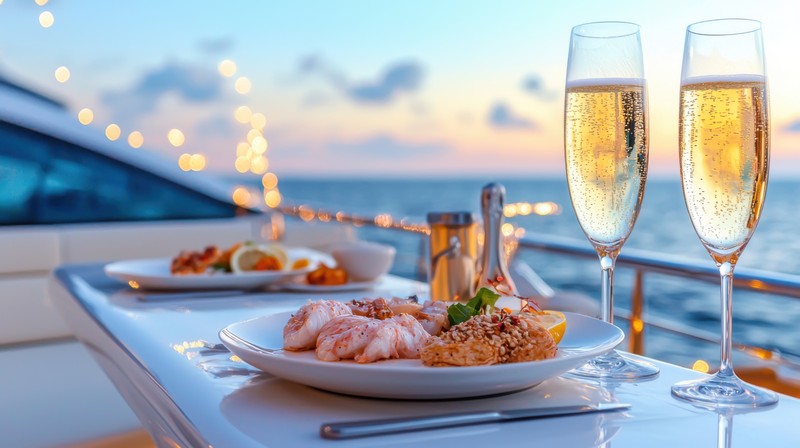
Lighting is one of the most critical elements in photography, and it becomes even more dynamic on the water. Early mornings and late afternoons, often referred to as golden hour, provide soft, warm light that enhances skin tones and creates a natural glow across the water’s surface. During these times, reflections are more pronounced, and shadows are less harsh, making it easier to capture balanced images.
Midday sunlight, while brighter, can still be used effectively if you position your subject carefully. Shooting with the sun behind your subject can create silhouettes, adding a dramatic effect to your cruise photography. Adjusting exposure settings or using simple shading techniques can also help manage overly bright conditions.
Capture Movement and Atmosphere
One of the defining aspects of boat photography is movement. The gentle motion of the water, the breeze through hair, and the shifting skyline all contribute to a sense of energy that static environments lack. Instead of trying to eliminate motion, embrace it.
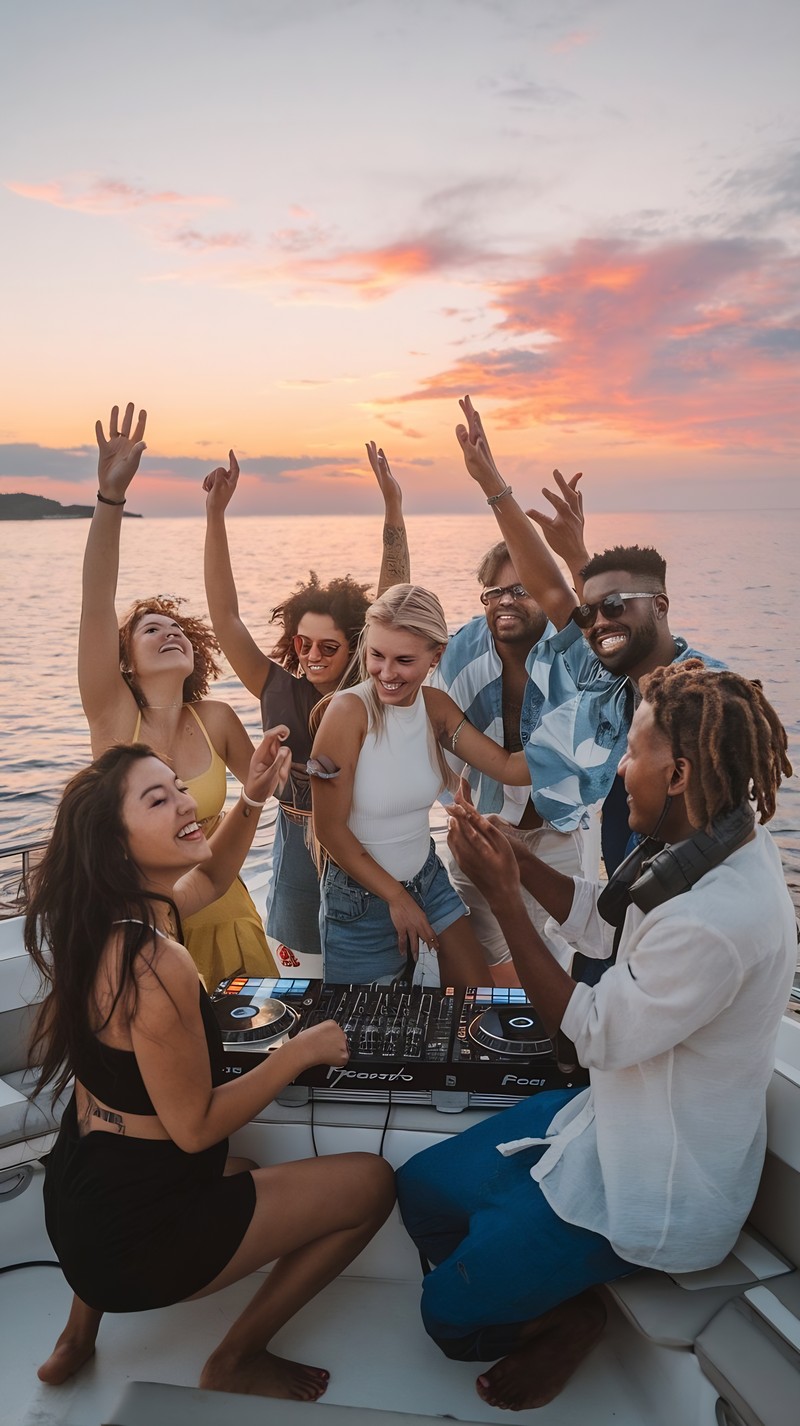
Using a slightly slower shutter speed can introduce motion blur, which works well for capturing waves or passing city lights. On the other hand, faster shutter speeds can freeze action, making them ideal for group shots or candid moments during celebrations. The key is to experiment and find a balance that reflects the mood of your cruise.
Frame the Skyline and Surroundings
A cruise offers constantly changing scenery, which makes composition especially important. Whether you're sailing past iconic landmarks or enjoying open water, framing your subject with the environment can add depth and context to your photos.
Positioning your subject off-center using the rule of thirds can create a more visually appealing image. Including elements like railings, decks, or even other passengers can also help guide the viewer’s eye through the photo. For those cruising in New York, the skyline provides a dramatic backdrop that enhances nearly any shot.
Experiment with Angles and Perspectives
Changing your angle can dramatically alter the impact of a photo. Shooting from a lower perspective can make subjects appear more prominent against the sky, while higher angles can capture the full scope of the boat and surrounding water.
Don’t hesitate to move around the vessel to find new vantage points. Staircases, upper decks, and even close-up shots near the waterline can produce unique compositions. By varying your perspective, you avoid repetitive images and create a more dynamic collection of photos.
Shoot During Nighttime for Dramatic Effects
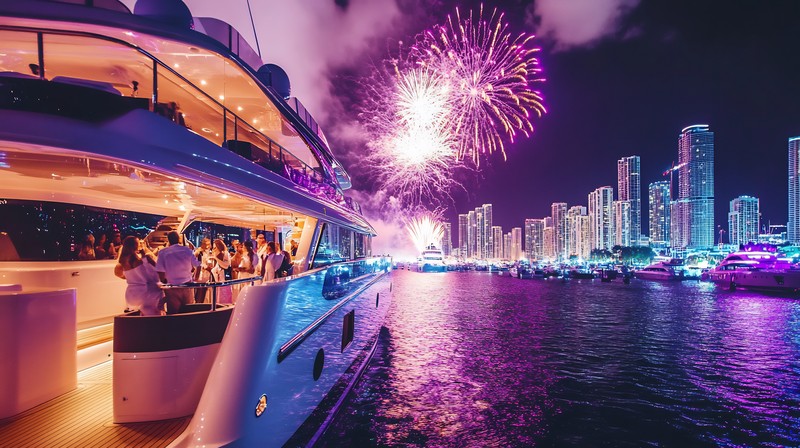
Nighttime cruise photography introduces a completely different aesthetic. City lights, illuminated bridges, and reflections on the water create a vibrant and cinematic atmosphere. Adjusting your camera settings to accommodate low light is essential, but the results can be striking.
Using a tripod or stabilizing your camera against a solid surface helps maintain clarity in low-light conditions. Longer exposures can capture light trails and enhance the glow of the surroundings. This approach is especially effective when photographing urban environments from the water.
For those looking to combine a memorable experience with incredible photo opportunities, Empire Cruises offers private cruises that showcase some of the most photogenic views in New York City, making it easier to capture images that truly stand out. Contact us today to learn more.
FAQs
What is the best time of day for cruise photography?
The best time is typically during golden hour, shortly after sunrise or before sunset. The lighting is softer and more flattering, making it ideal for both portraits and scenic shots.
Do I need professional equipment for boat photography?
Not necessarily. While professional cameras offer more control, modern smartphones can capture excellent images if you focus on lighting, composition, and timing.
How can I keep my photos sharp on a moving boat?
Using faster shutter speeds, stabilizing your camera, and bracing yourself against a steady surface can help reduce blur caused by movement.
What are some simple cruise photography ideas for beginners?
Start by focusing on natural light, capturing candid moments, and experimenting with different angles. Even small adjustments can significantly improve your results.